
You sit down for lunch in a Dutch home. A plate arrives. It holds two slices of bread, a few thin slices of cheese, and a small pot of butter. It looks exactly like breakfast. Because it is.
In the Netherlands, bread isn’t just a morning habit. It runs through the entire day — and has done so for centuries. Understanding this tells you more about the Dutch than any travel guide will.
A Tradition Built on Practicality
Dutch bread culture has deep roots. During the 17th-century Golden Age, Dutch merchants and sailors ate simple, efficient meals. Bread in the morning, bread at midday, one hot meal in the evening. This pattern kept them moving.
The hot lunch never caught on in Dutch households the way it did across the border in France or Germany. While other nations built cultures around midday meals, the Dutch refined the art of the simple sandwich.
Today, roughly two thirds of Dutch adults eat bread for both breakfast and lunch. The habit isn’t laziness or frugality. It’s a quiet form of national identity.
The Boterham: More Than Just a Sandwich
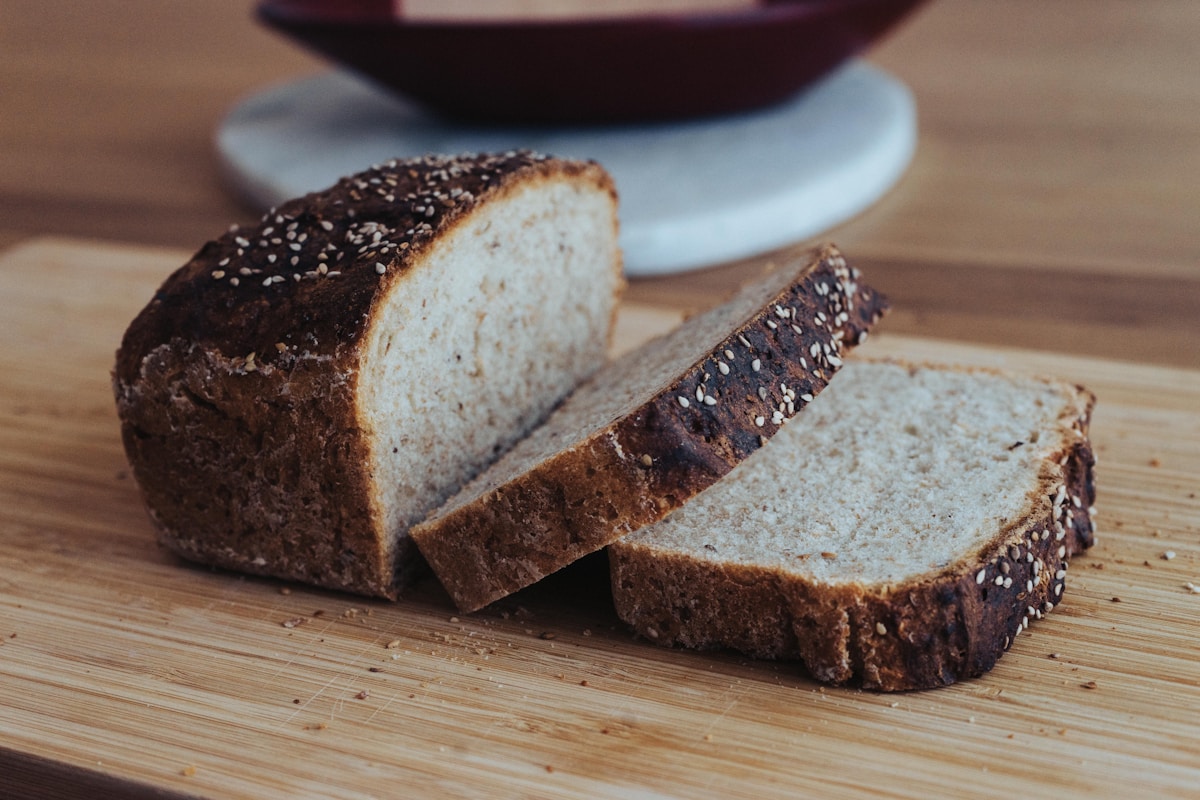
The word boterham (literally “butter piece”) describes a Dutch lunch sandwich. It looks modest. One or two slices of bread, spread lightly with butter, topped with a single layer of filling.
What makes it distinctive is the quality of each component. The Dutch take their brood seriously. Local bakeries — still found on the high street in most towns — produce dense, seeded, and wholegrain loaves baked fresh each morning. Saturday trips to the bakkerij remain a weekly ritual across the country.
Children pack boterhammen in their school lunchboxes. Adults bring them to work. The meal is quick, filling, and unapologetic about what it is.
What Goes on Top — and What Doesn’t
The topping — called the beleg — is where the Dutch show personality. The most popular choices are young Gouda sliced thin, smoked ham, aged cheeses, or pindakaas (Dutch peanut butter, which is denser and saltier than American versions).
Then there is hagelslag. Chocolate sprinkles — yes, on bread, yes, for adults — remain one of the most beloved Dutch toppings. Hagelslag outsells most sandwich fillings in Dutch supermarkets. Visitors raise an eyebrow. Locals never understand why.
Appelstroop — a thick, dark apple syrup — appears on bread in parts of Zeeland and the south. Each region carries its own favourite toppings, but the bread itself stays consistent.
For a deeper look at the cheese that defines so many Dutch lunches, read our guide to The Quiet Art of Dutch Cheese — it goes far beyond the tourist shops.
Enjoying this? Get stories like this every week from Love Netherlands — Subscribe free →
The Weekend Exception: Pannenkoeken
Every rule has its exception. On Saturday, many Dutch families abandon bread entirely for pannenkoeken — Dutch pancakes.
These are not crepes. Dutch pancakes are large, slightly thick at the centre, and crisp at the edges. Toppings arrive in bold combinations: bacon and cheese, apple slices with cinnamon and syrup, or simply stroop (golden syrup) poured over the whole surface.
Pannenkoekhuizen — pancake houses — appear all across the country. You’ll find them beside windmills, in village squares, at the edge of lakes. Families sit for long, unhurried lunches. The pannenkoek is the moment when Dutch food gets theatrical.
New to the Netherlands? Visit our Start Here page for everything the country has to offer, from canal cities to coastal walks.
Coffee Time and the Stroopwafel Rule
The Dutch observe coffee breaks with near-ceremonial seriousness. Around ten in the morning and three in the afternoon, work stops. Coffee appears. A stroopwafel arrives alongside it.
The stroopwafel is a Gouda invention: two thin waffle biscuits pressed together around a layer of caramel syrup. Dutch people place it directly on top of the coffee cup. The steam rises through it. The caramel softens from below. You wait — then you eat it warm.
This is not decoration. It is the method. Do not eat the stroopwafel before it has warmed. Discover more about this ritual in our guide to why the Dutch take their coffee so seriously.
Frequently Asked Questions
What do Dutch people eat for breakfast?
Dutch breakfast is almost always bread. A boterham with butter, cheese, ham, or hagelslag (chocolate sprinkles) is the standard. Hot breakfasts are rare in Dutch homes. The meal is quick, filling, and practical.
Why do Dutch people eat bread for lunch as well as breakfast?
The tradition dates to the Dutch Golden Age, when simple bread-based meals fuelled a global trading empire. Today it remains a cultural habit: efficient, satisfying, and built around quality local bread and toppings like aged Gouda. Hot lunches happen in restaurants, but bread stays the default at home.
Where can visitors try authentic Dutch bread traditions?
Visit a local bakkerij (bakery) on Saturday morning — most Dutch towns still have independent bakers open early. For lunch, order a broodje (filled roll) at a local cafe. For the full Saturday experience, find a pannenkoekenhuis and try the Dutch pancake with bacon and stroop.
What is hagelslag and why do Dutch people eat it on bread?
Hagelslag are chocolate sprinkles. Dutch people spread butter on bread and pour hagelslag on top — eaten by children and adults alike. The tradition began in the 1930s and has never stopped. It tastes better than it sounds.
Love Netherlands — Free Every Week
Canal towns, hidden villages, Dutch stories. A free letter about the Netherlands — written slowly, delivered weekly.
Love more? Join 64,000 Ireland lovers → · Join 43,000 Scotland lovers → · Join 30,000 Italy lovers →
Free forever · One email per week · Unsubscribe anytime
There is something quietly remarkable about a country that built one of the greatest trading empires in history — and still packs a simple sandwich for lunch. The Dutch don’t eat bread because they lack ambition. They eat it because the best traditions don’t need to justify themselves. They just show up every day, do the job, and taste exactly right.
Tours & experiences you might love


Powered by Viator. Some links are affiliate links — we may earn a small commission at no extra cost to you.