
Your surname tells a story. It carries the voice of your ancestors. If your family name traces back to South Holland, that story begins in one of Europe’s most historic regions.
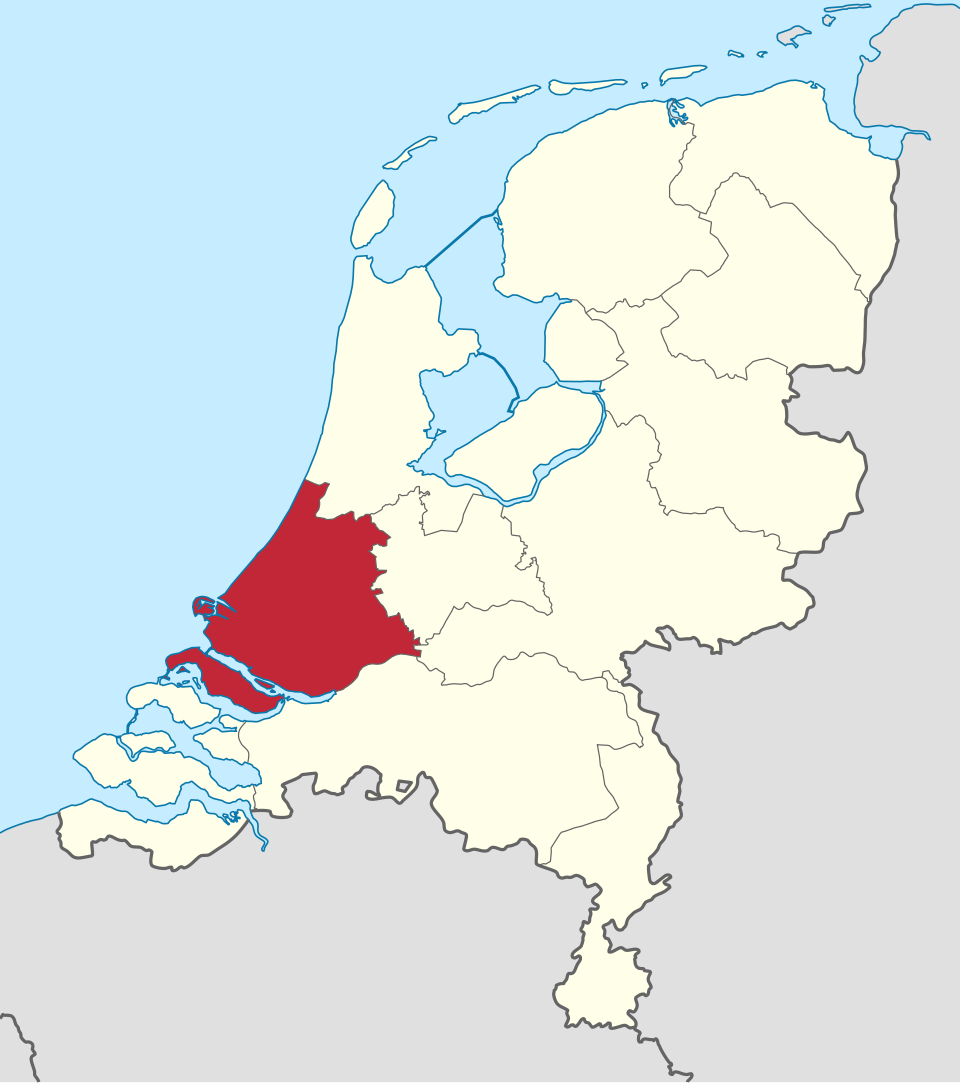
South Holland is the heart of the old Dutch Republic. It holds cities like Leiden, Rotterdam, Delft, and The Hague. These cities shaped Dutch history for centuries.
The surnames that grew here reflect life on the water, in the workshops, and on the land. This guide covers the most common South Holland surnames, their meanings, and where the families went.
Why South Holland Surnames Are Unique
South Holland was the most powerful Dutch province for centuries. It held the main trading ports and the seat of government.
Dutch emigrants took their surnames to South Africa, North America and the East Indies. Those names survive today in Afrikaner families, Dutch-American communities, and Indo-Dutch households worldwide.
If your surname appears in this guide, your roots may run deep into the flatlands of South Holland. Read our full guide to tracing your Dutch ancestry to begin your search.
How Dutch Surnames Were Formed
Dutch surnames came from four main sources. Each one tells you something about your ancestor.
Place-based names describe where someone lived. Van Dijk means “from the dike.” Van Dam means “from the dam.” These came directly from the South Holland landscape.
Occupational names describe what someone did. Visser means fisherman. Bakker means baker. Kok means cook.
Patronymic names came from a father’s first name. Jansen means “Jan’s son.” Willems means “Willem’s son.”
Descriptive names described what someone looked like. De Groot means “the large one.” De Wit means “the fair-haired one.”
The French ruled the Netherlands from 1810 to 1813. A decree of 18 August 1811 required people who had no fixed family name yet to adopt one; those who already had a known name kept it and declared it. In South Holland, the Nationaal Archief notes, almost everyone already had a fixed surname by then. Those who did choose a new name often picked one of these four types.
The Most Common Dutch Surnames of South Holland
These surnames have strong roots in South Holland. They appear in historical records from Leiden, Rotterdam, Delft, and The Hague.
Van Dijk
Van Dijk means “from the dike.” It comes from the Dutch word for an embankment or flood barrier.
South Holland has more dikes than almost any other Dutch province. This is one of the most common surnames in the Netherlands. Many Van Dijk families settled in South Africa as Boer farmers.
Jansen
Jansen means “Jan’s son.” Jan is the Dutch form of the name John.
This patronymic name appears across all Dutch provinces. In South Holland it was especially common in Rotterdam and Dordrecht. Jansen families settled across South Africa and New Amsterdam.
Smit
Smit means “blacksmith.” It came from the Dutch word for someone who worked with metal.
Blacksmiths were essential in every Dutch town. Smit is the Dutch spelling; Smith is the English version. Many Smit families moved to South Africa and became Boer settlers.
Visser
Visser means “fisherman.” It came from the fishing communities along the South Holland coast.
The North Sea coast and the rivers of South Holland produced many fishing families. Visser is one of the most South Holland-specific surnames you can carry. Many Visser families appear in early Cape Colony records in South Africa.
Bakker
Bakker means “baker.” It described someone who baked bread for their community.
Every South Holland town had a bakker on its main street. This occupational name spread widely through the Dutch diaspora. Bakker families appear in Boer settler records from the 1600s onwards.
De Groot
De Groot means “the large” or “the great.” It likely described a tall or prominent person.
This surname is closely tied to South Holland. Hugo de Groot, born in Delft in 1583, was one of the greatest Dutch thinkers of his age. His fame gave this South Holland name worldwide recognition.
Vermeer
Vermeer means “from the lake” or “near the water.” The root word meer means lake or sea in Dutch.
This name is forever linked to Johannes Vermeer, the painter born in Delft in 1632. If Vermeer is in your family tree, your roots may trace back to the canals and streets of Delft. Plan a day in Delft to walk in your ancestor’s footsteps.
Van Leeuwen
Van Leeuwen means “from Leeuwenburg” or “from the lion.” Leeuw means lion in Dutch.
This name appears frequently in South Holland records. It is common among Dutch descendants in Australia and New Zealand. South Holland port cities like Rotterdam were the main departure points for this diaspora.
Dekker
Dekker means “roofer” or “thatcher.” It described someone who laid tiles or thatched roofs.
This skilled trade was common in Dutch cities. Eduard Douwes Dekker, the famous Dutch author who wrote under the name Multatuli, carried this South Holland surname into literary history.
Van Dam
Van Dam means “from the dam.” The Netherlands is built on dams and water barriers.
In South Holland, this name came from settlements near the great flood defences. Van Dam families appear in Dutch colonial records in South Africa and in the early records of New Amsterdam.
🇳🇱 Enjoying this? Netherlands lovers get stories like this every week. Subscribe free →
De Wit
De Wit means “the white” or “the fair-haired one.” It described someone with light hair or a pale complexion.
Johan de Witt, Grand Pensionary of Holland in the 1650s, was born in Dordrecht, South Holland. He governed from The Hague, the political heart of the province. Explore The Hague today to see where he walked.
Mulder
Mulder means “miller.” It came from someone who worked in a grain mill.
South Holland had hundreds of windmills. The Mulder surname is a living memory of this landscape. Mulder families spread into South Africa, where the name is still common among Afrikaner communities.
Kok
Kok means “cook.” It described someone who cooked professionally in a household or inn.
This occupational name was common throughout South Holland. Kok families appear in early Boer settler records at the Cape Colony from the late 1600s.
Verhoeven
Verhoeven means “from the higher farms.” It comes from the Dutch words for far and farms.
This name came from families on elevated farmland. It is common in South Holland and also in North Brabant, and appears in Dutch-American genealogical records.
Van den Berg
Van den Berg means “from the hill.” Berg means hill or mountain in Dutch.
For a flat country, this name is surprisingly common. It likely came from families who moved to South Holland from hillier regions. Van den Berg is one of the top twenty most common surnames in the Netherlands today.
South Holland Names in the Dutch Diaspora
South Holland surnames travelled with the Dutch diaspora, alongside names from every other province.
In South Africa, Dutch settlers arrived at the Cape from 1652 onwards, and many Afrikaner families carry Dutch surnames today. To trace a South African family back to the Netherlands, start with our guide to Cape Dutch roots.
In North America, the Dutch settlers of New Amsterdam brought names from across the Netherlands.
In Indonesia, the VOC (Dutch East India Company) operated for nearly 200 years, and many Indo-Dutch families carry Dutch surnames today.
Visiting South Holland? Explore Rotterdam today.
Visiting Your Ancestral Towns in South Holland
If your surname appears in this guide, a heritage trip to South Holland can bring your family history to life.
Leiden holds some of the oldest municipal records in the Netherlands. Its archives contain births, marriages, and deaths going back to the 1600s. The city feels remarkably unchanged. Walk the same canal streets your ancestors walked. Discover Leiden’s history here.
Delft is small and easy to explore on foot. Its old church records are well preserved. The Vermeer name will always be tied to Delft’s streets and canals. Plan your day in Delft.
The Hague holds the Nationaal Archief, the national archives. This is the single best resource for tracing Dutch ancestry across all provinces. Read The Hague travel guide to plan your visit.
Rotterdam was rebuilt after the Second World War. Read our Rotterdam guide.
How to Start Your Surname Research Today
You do not need to travel to begin. Many Dutch records are now online and free to search.
Open Archives lets you search Dutch civil records (births, marriages and deaths) by name. Its own help pages say searching is free and you can view records without an account (checked October 2026).
Delpher.nl has digitised Dutch newspapers going back centuries. A surname search often turns up family references you would never expect to find.
For a full step-by-step guide, read How to Trace Your Dutch Ancestry. It covers every major Dutch records resource, from church registers to VOC employment records.
Frequently Asked Questions
What are the most common Dutch surnames from South Holland?
Van Dijk, Jansen, Smit, Visser, and Bakker are among the most common. These names appear in records across Rotterdam, Leiden, The Hague, and Delft. De Groot and Vermeer are also strongly associated with South Holland.
What does “Van” mean in Dutch surnames?
Van means “from” in Dutch. A name like Van Dijk means the family lived near a dike. Van Rotterdam would mean someone originally from Rotterdam. These place-based names are very common in South Holland, where the landscape is defined by water management.
Are South Holland surnames common in South Africa?
Many Afrikaner families carry Dutch surnames, from settlers who arrived at the Cape from 1652 onwards. Which province a South African family came from has to be traced family by family; our guide to Cape Dutch roots explains how.
Can I trace my Dutch surname online for free?
Yes. Open Archives says on its own help pages that searching is free and you can view records without an account (checked October 2026). Delpher.nl holds digitised Dutch newspapers and documents. For full guidance, read our Dutch ancestry tracing guide.
Why did some Dutch families take fixed surnames in 1811?
Before French rule, many Dutch people used patronymics rather than fixed family names. Jansen was “Jan’s son” in one generation and Pietersen was “Pieter’s son” in the next. Napoleon’s decree of 18 August 1811 required people who had no fixed family name yet to adopt one, during the year the decree was published. Most people in South Holland already had one, the Nationaal Archief notes, so they only declared it. Those who chose a new name often picked their trade, their home place, or their appearance.
You Might Also Enjoy
- How to Trace Your Dutch Ancestry: A Step-by-Step Guide
- Delft: A Day in the Town That Made Vermeer
- The Hague Travel Guide
Join Netherlands Lovers
Every week, discover the Netherlands beyond the tourist trail — hidden villages, local recipes, cycling routes, and travel insights you won’t find in any guidebook.
Subscribe free — enter your email:
Already subscribed? Explore our archives for more hidden Dutch gems.
Love more? Join 64,000 Ireland lovers → · Join 43,000 Scotland lovers → · Join 30,000 Italy lovers →
Free forever · One email per week · Unsubscribe anytime
Ready to plan your trip? Visit our Start Here page for everything you need to plan your Netherlands journey.
Tours & experiences you might love


Powered by Viator. Some links are affiliate links — we may earn a small commission at no extra cost to you.