There are two kinds of mornings in the Dutch spring. The kind where you cycle to the market and come home with warm cheese and rye bread and a handful of wild tulips. And the kind where it rains sideways for an hour, then the sun comes out and everything looks like a Vermeer. Today, if you’re lucky, is one of those mornings.
If the daily newsletter brings you closer to the Netherlands, our Sunday Premium Edition takes you deeper into it. Every Sunday you’ll receive travel deep dives, curated itineraries, regional stories, and lesser-known places you won’t find anywhere else.
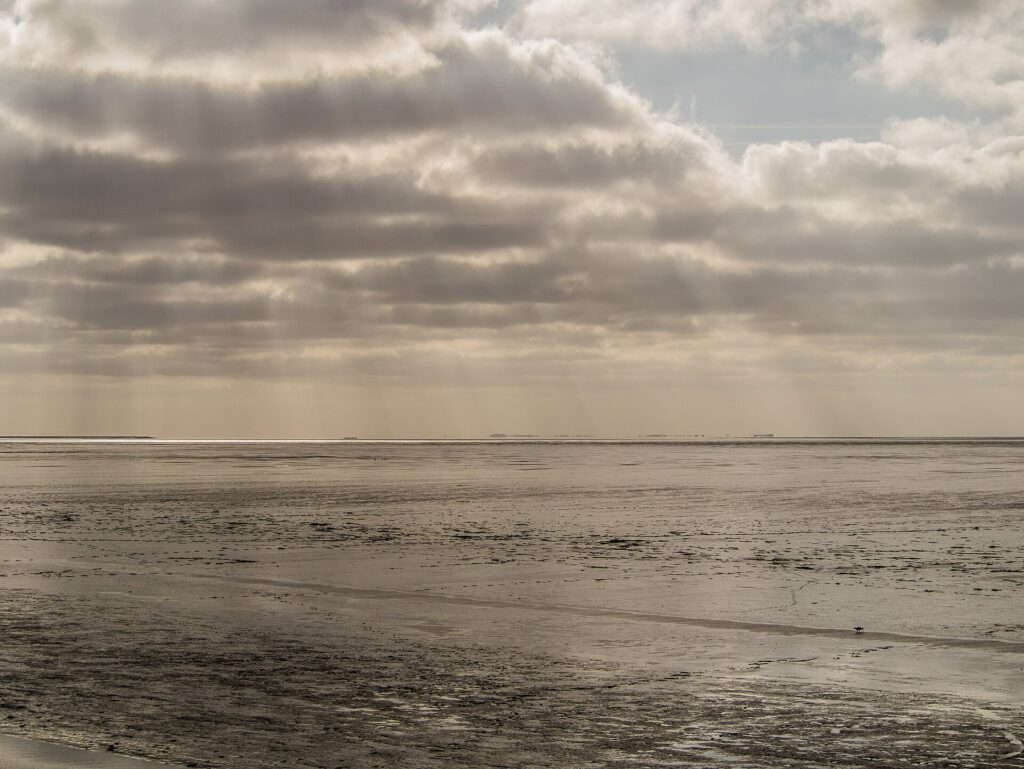
The ferry from Den Helder leaves at half past eight on a grey April morning, and within minutes the Dutch coastline becomes abstract—a thin line of dunes and church spires receding into mist. The North Sea is the colour of wet concrete. Gulls wheel overhead. Ahead, invisible until the last moment, one of five inhabited Dutch Wadden Islands materialises out of the haze: a low, green shape, ringed with sand. Most travellers who make it this far north know the Wadden Islands exist. Few know how to choose between them. The five Dutch islands— Texel , Vlieland , Terschelling , Ameland , and Schiermonnikoog —form a UNESCO World Heritage site, a restless archipelago strung along the North Sea coast where the Wadden Sea stretches and contracts with the tides. Each island has developed its own character, shaped by isolation, landscape, and the particular temperament of the people who chose to…
Café ‘t Smalle is exactly what its name says: small. It’s tucked on the Egelantiersgracht in the Jordaan, with a handful of tables inside and a tiny floating terrace on the canal that’s always full the moment the sun comes out. The building has been a café since 1786. You don’t go for the menu — you go because it’s one of the most beautiful places in Amsterdam to sit with a glass of wine and watch the boats drift past. Rain or shine, locals have been doing exactly this for two hundred and forty years.
The light hits the façades of Grote Markt in that particular Dutch way: soft, almost silver, bouncing off the wetness of rain-darkened brick. It’s a Saturday morning in autumn,…
The bullet holes are still there. Two of them, embedded in the wooden doorframe of the Prinsenhof Museum , where Balthasar Gérard’s musket fire killed William of Orange on 10 July…
On a Thursday evening, the Vismarkt fills with students balancing paper cones of fried eierbal—rounded croquettes of ragout that burst with cream and spiced meat—while cyclists…
The Maas river curves lazily around Maastricht , and on a Saturday morning, the city’s oldest square fills with the smell of fresh bread, grilled cheese, and the particular…
Water meets cobblestone in Utrecht , and the difference is immediate. Sit at a café along the Oudegracht with a coffee cooling in front of you, and you’ll notice what makes…
The Rapenburg canal catches the afternoon light differently than the rest of Leiden ‘s waterways. The water reflects the gabled houses in near-perfect symmetry, and the willows lean in as though listening to the stories of the centuries that have unfolded along this particular stretch. It is here, locals insist without needing to consult any guidebook, that you find the most beautiful canal in the Netherlands. Not the grandest. Not the most…
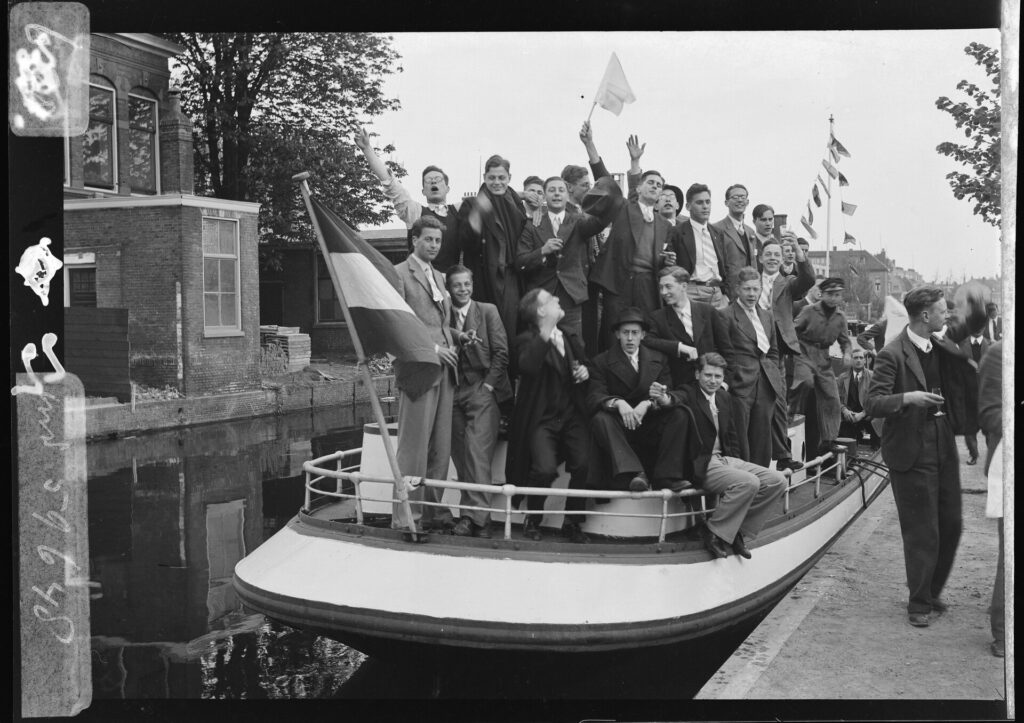
Photo: Group portrait of the Varsity team of Njord (rowing subassoc via Wikimedia Commons…
Dutch Food You Will Love
Erwtensoep — The Dutch Winter Soup That Made the Country
Erwtensoep is a thick, green, nearly-a-stew soup made from split peas, smoked sausage, pork, celery, leek, and patience. The Dutch have a test for whether it’s ready — if your spoon can stand up in the pot, it’s done. It was the food of the canal skaters in winter, the men repairing dikes, the families waiting out a long January. It’s still served in every good café on cold days, with thick rye bread and butter. Order it once on a rainy afternoon and you’ll understand why the Dutch love their winters more than most countries love their summers.
If you’re enjoying this letter, the best thing you could do is forward it to one friend who’d love the Netherlands too. This newsletter grows by word of mouth alone — every single subscriber came from someone sending it to someone else. Thank you for being one of the first.
Our daily newsletter is free and always will be. But for less than the price of a pint, you can upgrade to our Sunday Premium Edition, which gives you access to our travel deep dives, curated itineraries, and regional stories. Consider buying us a stroopwafel — it’s the Dutch way to say thank you.
Also From Our Family
Love Ireland too? Over 64,000 readers wake up each morning to the Love Ireland newsletter — loveireland.substack.com
Powered by Viator. Some links are affiliate links — we may earn a small commission at no extra cost to you.
Other newsletters you might like
Scottish Rugby Fans
The best Scottish rugby updates, straight to your inbox — Six Nations, the Nations Championship, Glasgow and Edinburgh. Only when there's something worth reading.
A newsletter for Londoners who want to rediscover their own city. Travellers planning their first or fifth visit. Anglophiles who fell in love with London through literature, film, or a rainy afternoon on the South Bank.